




Restaurant Pachthof
Culinary delights surrounded by nature
Discover Restaurant Pachthof, the restaurant at Meise Botanic Garden. An oasis of tranquillity surrounded by the natural beauty of the Botanic Garden, where you can enjoy a delicious lunch, a drink or coffee and cake. Try our seasonal dishes made with local ingredients. Combine a day in nature with a culinary experience and let yourself be surprised by the pure flavours of the season.
Opening hours Restaurant Pachthof
Open every day from 11 a.m. until half an hour before the Botanic Garden closes.
The kitchen is open from 12pm to 3pm.

Talent and passion
Our talented kitchen team, led by chef Vincent, prepares refined dishes with love and passion, using fresh ingredients. The flavours follow the seasons and are carefully crafted down to the last detail.
In the dining room, we welcome you with sincere warmth and hospitality. Together, we ensure that you, as a visitor, whether you come for a nice drink, a cup of coffee or lunch, can enjoy a relaxed atmosphere where we take care of you and nature.
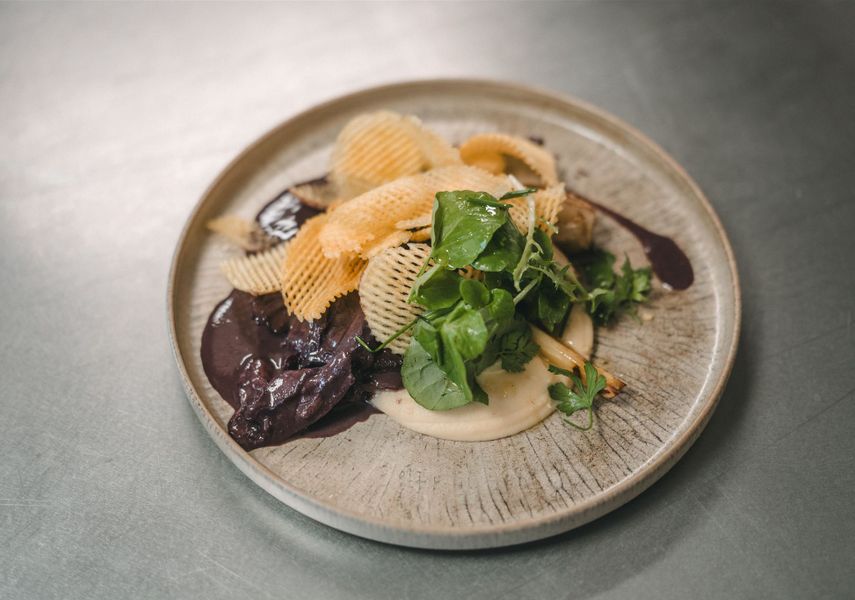
Restaurant Pachthof - individual visitor
Whether you choose the dish of the day or want to eat à la carte, our focus is on fresh ingredients that follow the rhythm of the season. We work with local suppliers as much as possible. Like Hof ter Dreef, a small-scale farm in Meise that grows organic fruit and vegetables with great care for the soil, biodiversity and community. This purity of flavours takes precedence, both for our vegetarian dishes and dishes with meat or fish. Children can also enjoy a tasty children's menu.
You can dine à la carte for up to 14 people, including children. If there are more than 14 of you, or if you have opted for a guided tour, the group offer applies. You can book your group visit here.
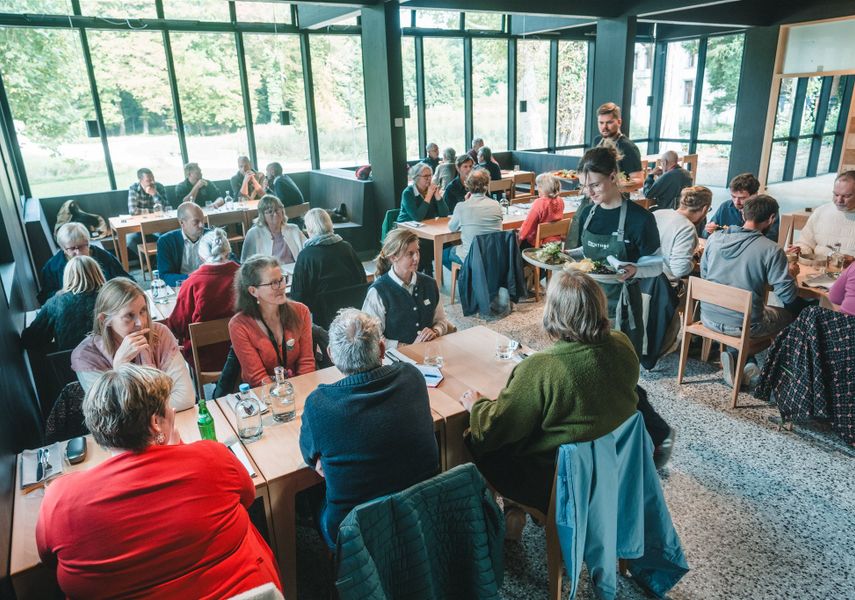
Restaurant Pachthof - group visit
Walking works up an appetite — and a delicious lunch or a sweet treat in the afternoon will round off your group visit perfectly. At Restaurant Pachthof, you can enjoy flavourful, seasonal dishes prepared with local ingredients. A perfect culinary break surrounded by greenery.
You book your meal or table at the same time as booking your group visit. For groups of 15 or more, you can choose from the group menu. For groups of up to 14, you can dine à la carte.
Book your group visit (for 15 people or more and/or with a guide)
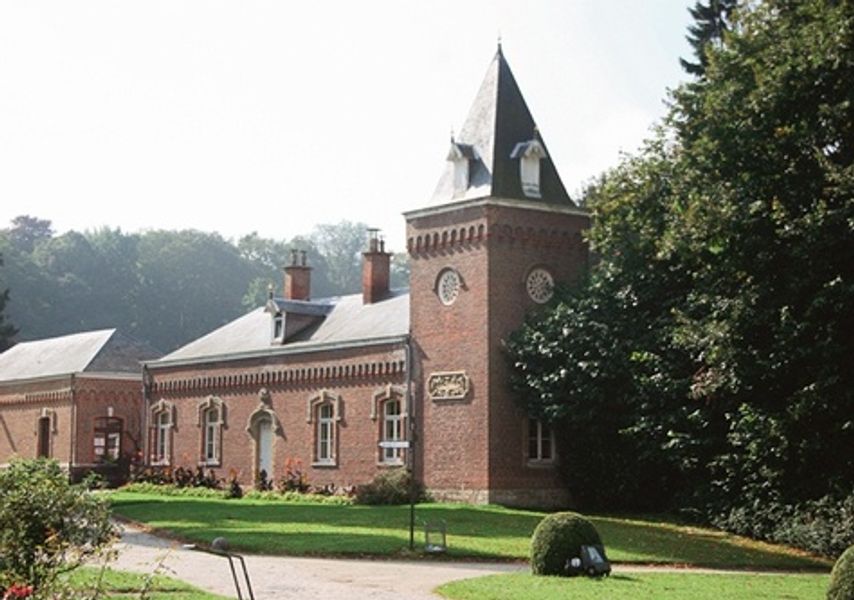
The Pachthof
In the 1850s, Count de Beauffort and his wife Elisabeth Roose de Baisy had the Neerhof van Bouchout thoroughly renovated to create the current Pachthof. The result was a picturesque brick building complex with separate wings: the tenant farmer lived in the house with a turret, while the other buildings served as stables and storage. The current restaurant was originally intended for horses and carriages. Next to the Pachthof was a vegetable garden, from which the tenant farmer supplied vegetables to the count, the countess and later also to Empress Charlotte, until her death in 1927.