


[Science News] – A new inventory of Congolese flora
Meise Botanic Garden has just published the inventory of plant species of the Democratic Republic of the Congo (Checklist of the Vascular Plants of the Democratic Republic of the Congo). The DRC, the second‑largest country in Africa, contains the world’s second‑largest expanse of tropical rainforest and is among the most biodiverse regions of the continent. Paradoxically, knowledge of its flora remains very incomplete in Central Africa, hindering the development of effective nature conservation policies.
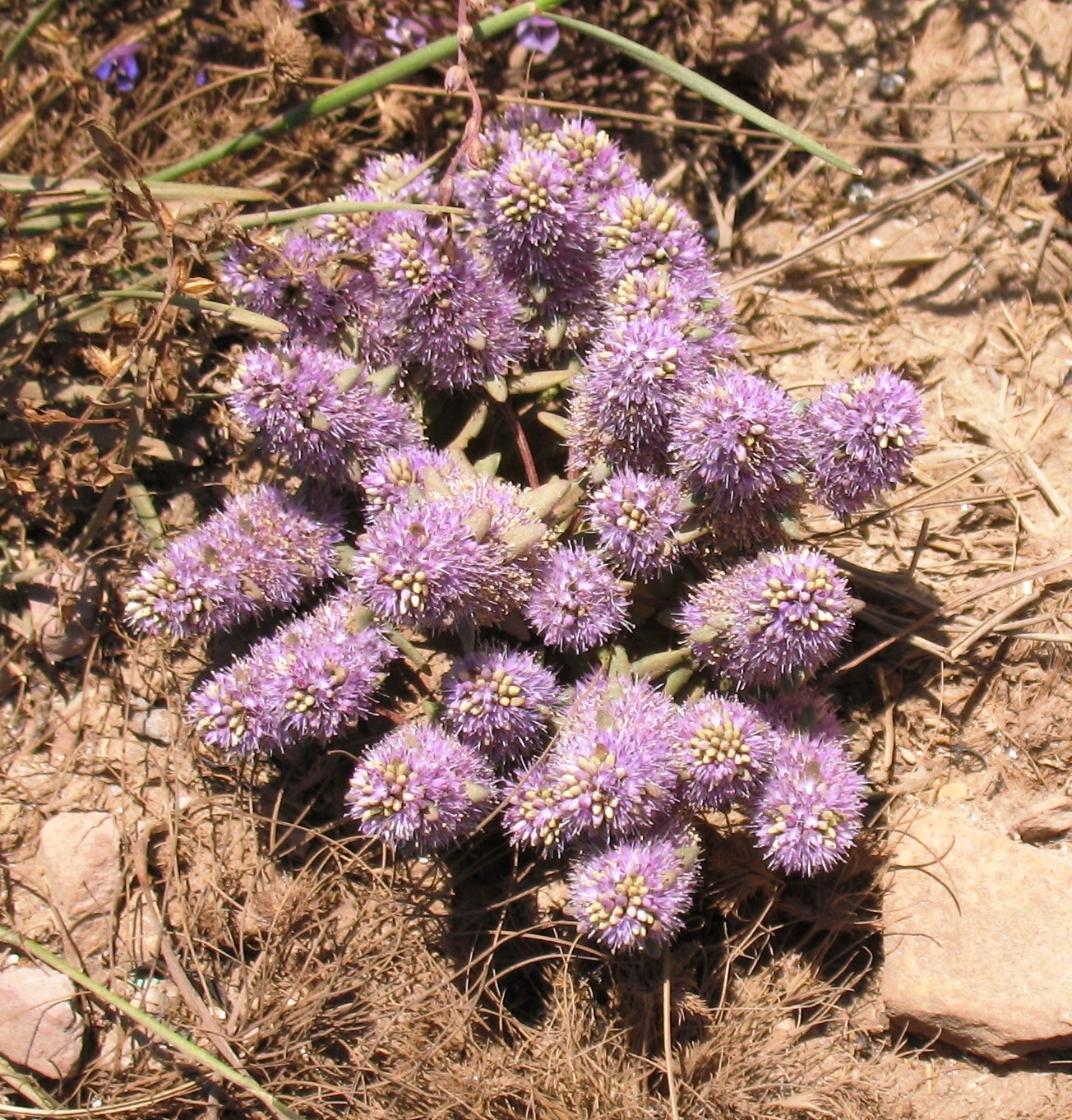 The study catalogued all vascular plant species (flowering plants, ferns, conifers) occurring in the DRC, based on various herbarium collections and online databases.
In total, 10,260 species (1,998 genera — 246 families) were recorded, representing 22% of the floristic richness of sub‑Saharan Africa. This makes the DRC the second richest country in tropical continental Africa in terms of species diversity, just after Tanzania. This exceptional richness results from the great diversity of climates and vegetation types found in the country, ranging from the dense forests of the Congo Basin to the Zambezi woodlands and the mountains of the Albertine Rift.
The study also highlights the importance of 1,099 endemic species, accounting for more than 10% of the national flora. These plants are often restricted to highly specialised habitats, particularly in the Albertine Rift and Haut‑Katanga. Some families — such as Commelinaceae, Euphorbiaceae, Asteraceae and Fabaceae — show particularly high levels of endemism, reflecting intense local evolutionary dynamics and a long history of diversification.
Meise Botanic Garden at the heart of botanical exploration
The DRC remains one of the least explored countries in Africa, with a collection density far below recommended standards. Regions near major cities and the mountain ranges in the east are better documented than the rest of the country, which remains largely under‑sampled.
In this context, Meise Botanic Garden plays a crucial role. Its herbarium houses the world’s largest collection of Congolese herbarium specimens, with nearly 500,000 samples, making it the main scientific platform for studying the Congolese flora. Its teams coordinated the taxonomic validation of the checklist, mobilised the digital resources of the Flore d’Afrique centrale, and provided the expertise needed to confirm species presence in the field.
Meise Botanic Garden also contributes to the digitisation of herbarium collections in the DRC, improving access to data through international portals and strengthening both local and global research capacity. The Garden also trains young Congolese researchers in plant identification.
Conservation, threats and outlook
The assessment of conservation status reveals a worrying situation: among the species evaluated by the IUCN, 17% are threatened. Even more concerning, 73% of the endemic species that have been assessed are considered threatened. Human pressures — deforestation, agriculture, charcoal production, mining — are increasing in a context of population growth and political instability.
Although the DRC has a network of more than sixty protected areas, including several national parks listed as World Heritage Sites, their management is hampered by logistical, security and financial challenges.
The Congolese flora also includes 461 exotic species (4.5%) — excluding cultivated plants — some of which may become invasive.
Challenges for conservation
The study reveals an exceptionally high species richness and endemism, underlining the crucial importance of the DRC for the conservation of plant biodiversity in tropical Africa. The authors stress the urgent need for a comprehensive assessment of the conservation status of all recorded species — 74% of which have not yet been evaluated — and for a better understanding of the geographical distribution of endemic species in order to establish conservation priorities.
In this field, Meise Botanic Garden will continue to contribute its expertise, documenting these species through the publication of the monumental Flore d’Afrique centrale, supporting management and prevention efforts, and participating in the training of young Congolese botanists.
Link to the article: https://doi.org/10.3897/phytokeys.277.193807