




[Science News] – Traces of a Disappeared Botanical Garden in the Meise Herbarium
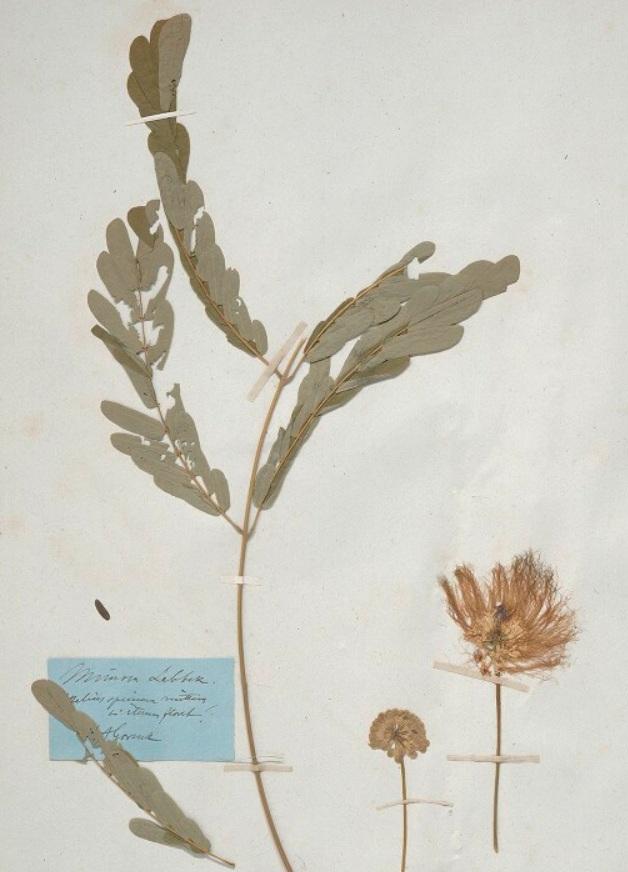
Within the rich collections of the Van Heurck Herbarium, Meise Botanic Garden preserves hundreds of plant specimens originating from living collections of botanical gardens, and therefore not collected in the wild. Some of these gardens have since disappeared.
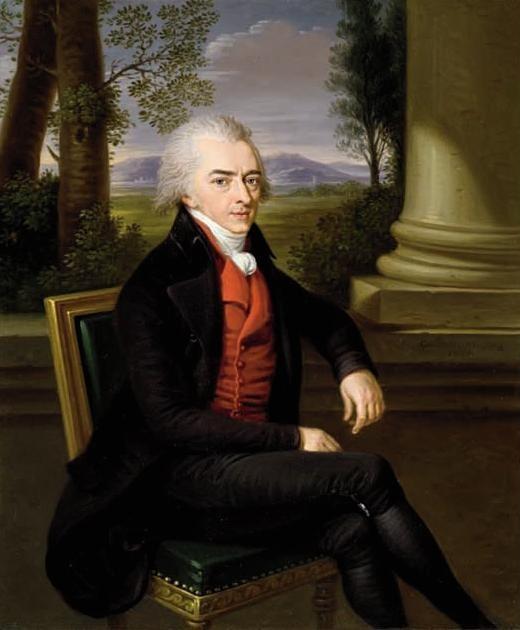
For example, the F.W. Sieber sub-herbarium contains a collection originating from the botanical garden of Gorenki. This private botanical garden was founded by Alexey Kirillovich Razumovsky (1748–1822), a member of a wealthy Russian family and a senator and Minister of Education under Catherine II of Russia.
He inherited an immense estate of 730 hectares in Gorenki, a suburb of Moscow, and from 1778 onwards had a palace built there. He had a park laid out in the English landscape style and constructed 42 greenhouses, including a palm house reaching a height of 12 metres. By 1812, the living collection comprised more than 8,000 plants. The German botanist Friedrich Ernst Ludwig Fischer (1782–1854) was responsible for establishing the garden and was later appointed director, a position he held until Razumovsky’s death in 1822.
The estate also functioned as a research institution, with a rich herbarium (including the collection of Pallas) and the most important natural sciences library of the Russian Empire.
Razumovsky employed botanists to collect and study plant material. He himself never collected specimens nor published.
After his death, most of the herbarium and library were transferred to the botanical garden of Saint Petersburg. The garden was no longer maintained and was eventually divided into plots. The rich plant collection disappeared. The palace later served as a paper mill, orphanage, sanatorium and military hospital. Today, the building is in a state of decay, although it is listed as a protected monument.
Almost all the plants in the Van Heurck Herbarium originate from the garden’s greenhouses. Henri Van Heurck acquired a large part of his herbarium through a purchase in 1867. These specimens likely reached our country in this way. They are not only scientific collection items, but also specimens of great historical importance.
 |
 |
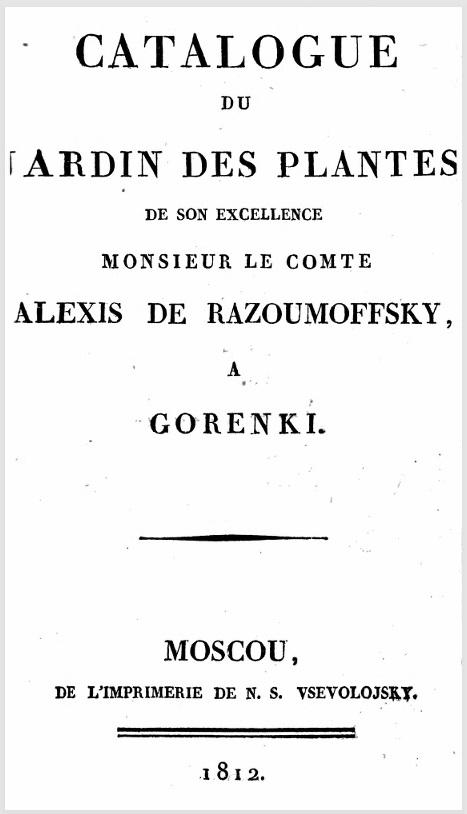 |
| Portrait of Alexey Kirillovich Razumovsky by Ludwig Guttenbrunn (1750–1819) | First type of label (blue paper): Mimosa lebbeck L., Melius specimen mittem is iterum floret. Hrt Gornk ("I will send a better specimen when it flowers again"). | Title page of the catalogue of plants in the Razumovsky collection, compiled by F. E. L. Fischer and published in 1812. |
 |
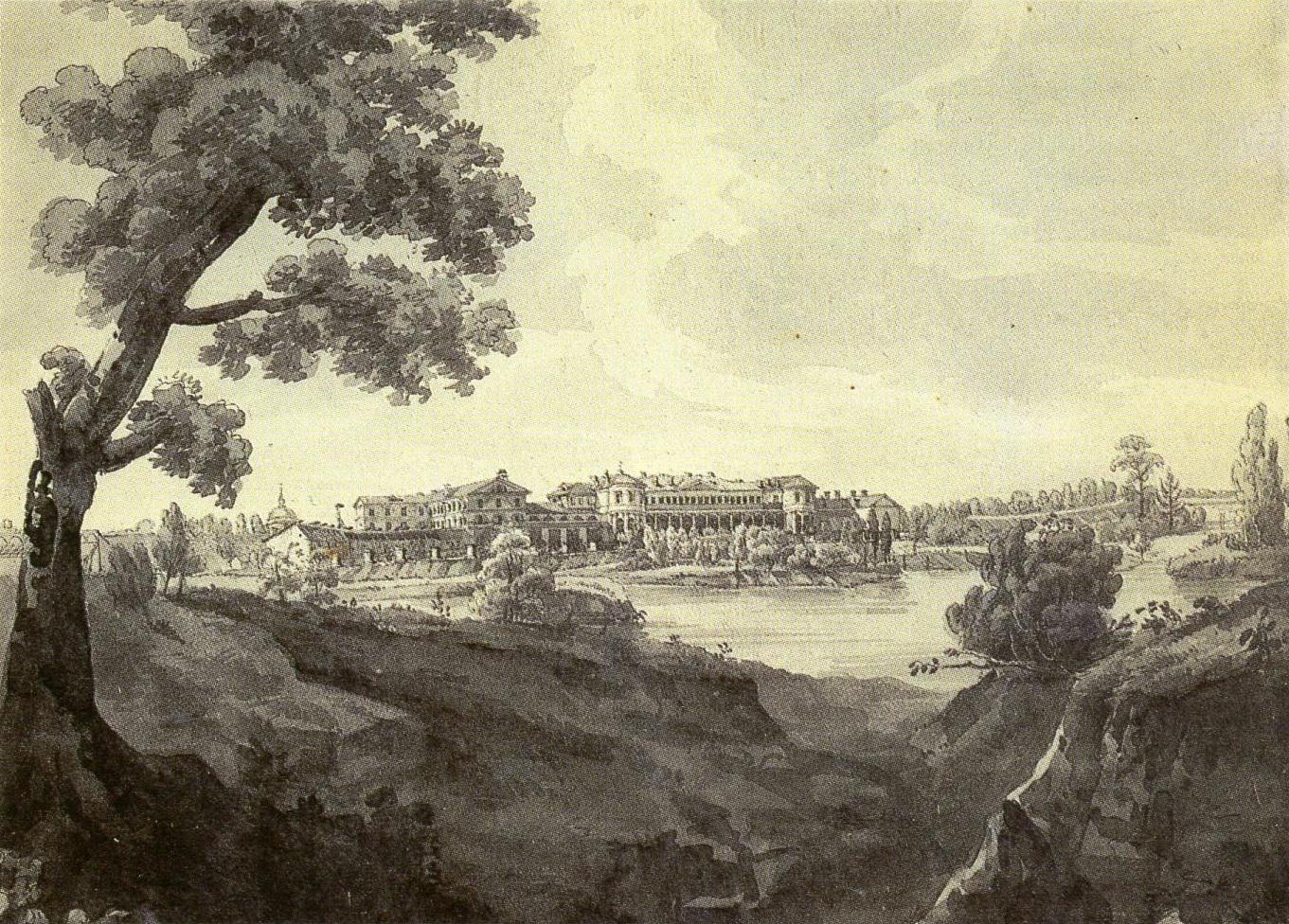 |
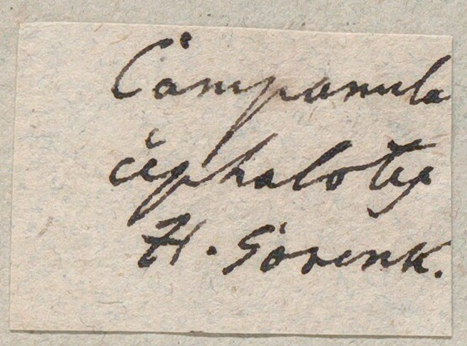
| Deuxième type d'étiquette : Campanula cephalotes Fisch. ex Schrank ; une campanule originaire d'Asie orientale. H. Gorenk. | The Gorenki estate seen from the pond. Unknown artist, between 1823 and 1839. (Tropinin Museum, Moscow) |