


[Science News] - Thematic day “Sowing with Impact” at Meise Botanic Garden
On 25 September 2025, Meise Botanic Garden and the Flemish Department of Environment organised a thematic day entitled “Sowing with Impact”, as part of the mid-term event of the Interreg EXPBIO project (Expanding transnational capacities to strengthen plant biodiversity and restoration in the North Sea region).
Local seeds are essential for resilient ecosystems. The EXPBIO project aims to increase the availability of such seeds while strengthening knowledge, cooperation, and awareness about their importance.
Objective of the thematic day
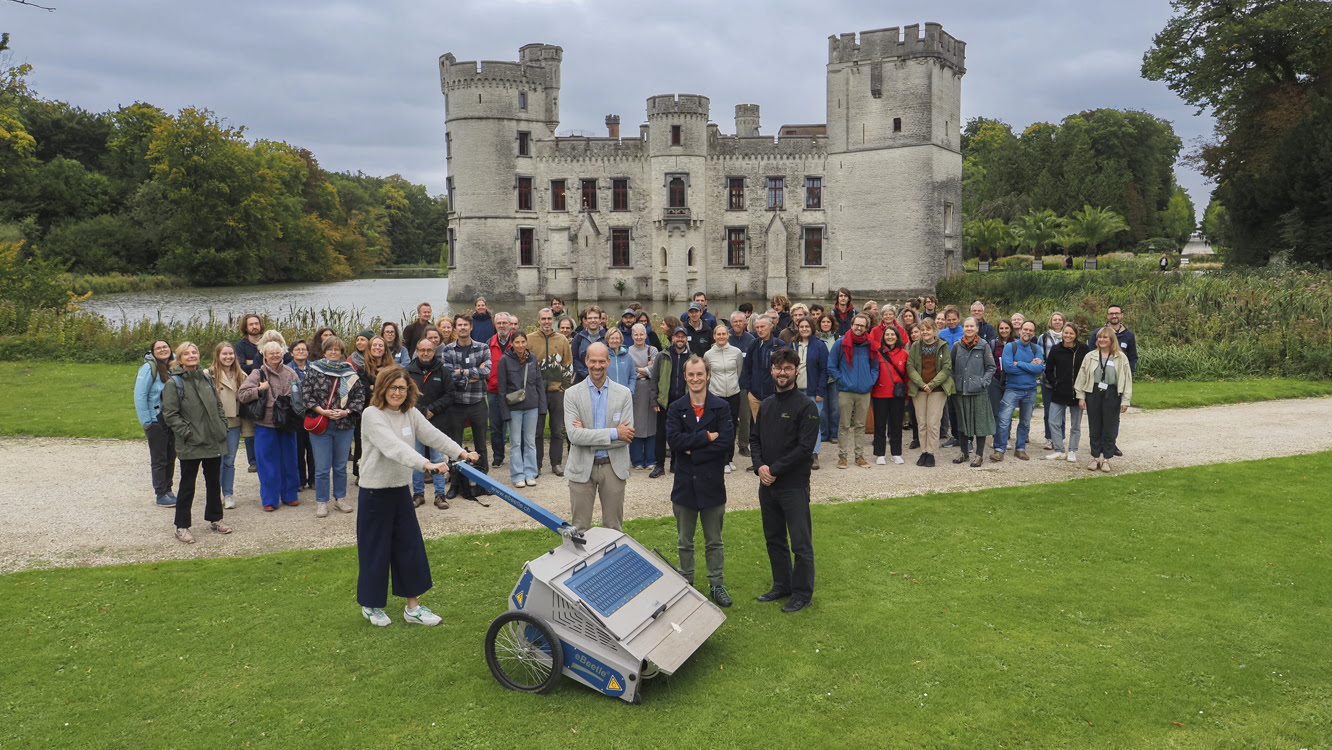
The event brought together around one hundred Belgian participants, as well as experts from other North Sea countries, to reflect on the production of local seeds in Flanders. By sharing experiences and expertise, Meise Botanic Garden, together with Flemish and international partners, aims to lay the first foundations for a reliable framework for the cultivation and use of native seeds.
The programme included in-depth sessions, practical examples, and interactive discussions on:
- The restoration of species-rich grasslands and the latest research developments;
- Local production and use of seeds, with a focus on collaboration with the seed sector;
- Participation and education, highlighting the contribution of citizens and schools to nature restoration.
The day also addressed a forward-looking challenge: bringing stakeholders together to develop a certification system for the cultivation of local seeds in Flanders.
A first for Flanders
 During the thematic day, participants had the opportunity to see in action the first commercially available wild seed harvester in Flanders, the eBeetle from Switzerland. The success of grassland restoration depends on the availability of seeds. Traditionally, this is done by spreading hay from species-rich grasslands—an intensive and rather inefficient method. The use of a seed harvester makes it possible to collect native seeds much more quickly and efficiently, opening new perspectives for large-scale nature restoration.
This thematic day laid the foundations for a shared framework for the cultivation of local seeds in Flanders and opened new perspectives for biodiversity restoration.
Conclusion of the debate
Flanders does not have to start from scratch: neighbouring countries such as Germany and Luxembourg demonstrate how a transparent certification system for local seeds can work. By drawing inspiration from these models, Flanders can develop a strong label that offers both ecological and economic benefits. This is crucial for implementing the European Nature Restoration Law and for strengthening the local market—a true win-win situation for nature, policymakers, and the sector.