


Development of a mushroom value chain in the Beni Territory (North Kivu, Democratic Republic of the Congo)
The Beni Territory faces a twofold challenge: chronic food insecurity exacerbated by conflict, and increasing pressure on land. The traditional farming requires vast tracts of land, often located in insecure areas that are difficult for farmers to access. Mushroom cultivation therefore offers a major strategic advantage: it requires little space and can be grown at home, providing a resilient solution for displaced populations and vulnerable households. Mushroom farming is thus proving to be a catalyst for rapid economic transformation, based on limited investment, a short growth cycle and a circular economy that recycles agricultural waste.
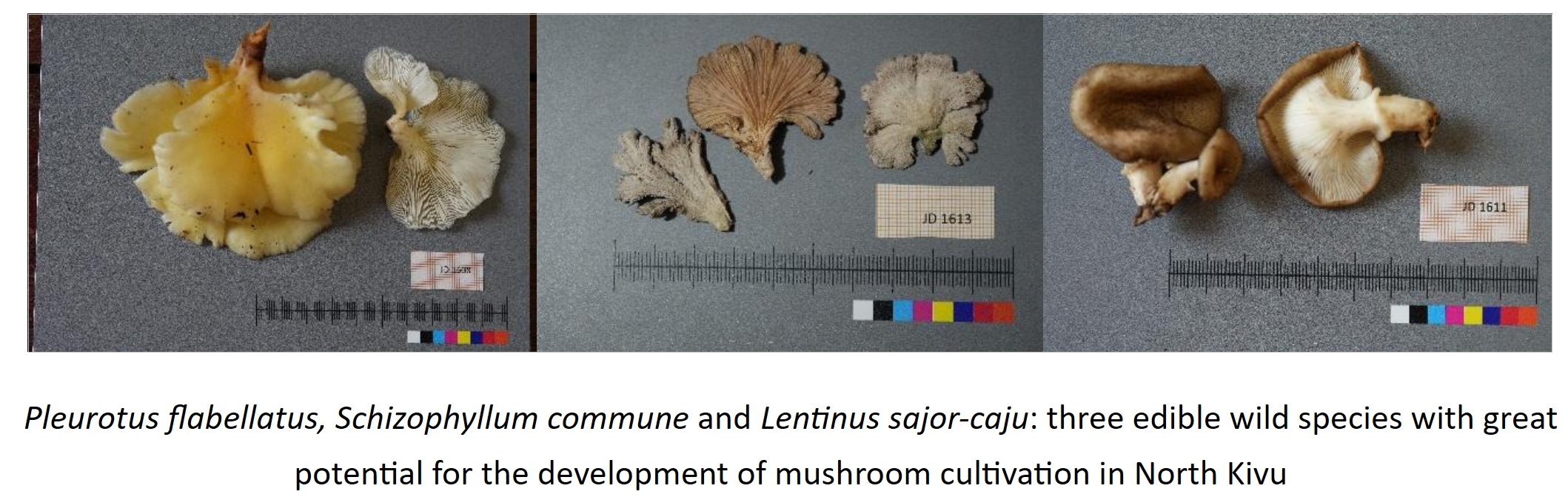
The Beni-Kasindi corridor represents an exceptional opportunity for the mushroom industry. Its geographical location and road infrastructure make it the main commercial gateway linking eastern DRC to East African markets. It is situated at the heart of a cocoa and coffee-producing region producing abundant waste materials that can be repurposed as mushroom growing substrates.
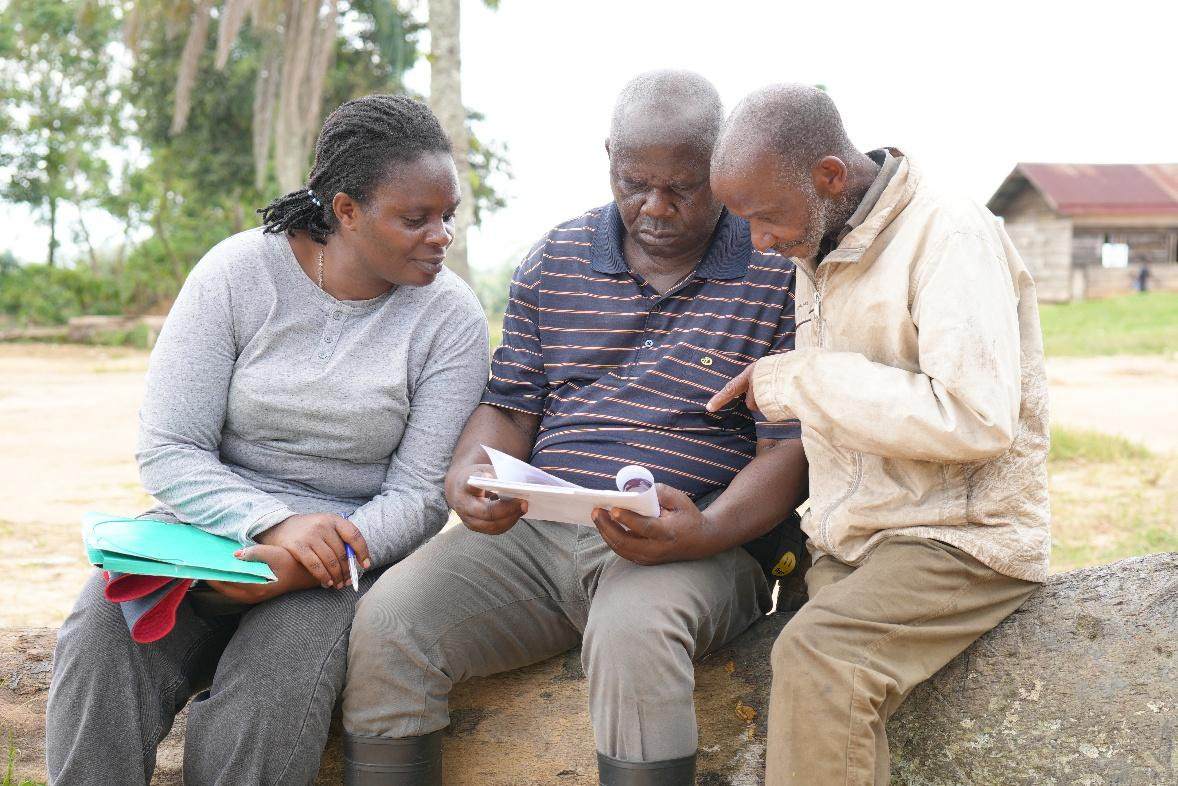 This project therefore aims to: 1) promote local indigenous knowledge by reviving interest in edible wild mushroom species found in the natural ecosystems of the Beni region; 2) achieve food sovereignty in the Beni region by addressing key nutritional deficiencies through the provision of protein, vitamins and minerals derived from mushrooms; 3) protect the environment by utilising agro-industrial waste as a substrate for mushroom cultivation; 4) promote economic empowerment by specifically targeting coffee and cocoa cooperatives, women’s associations and young people to establish micro-enterprises for mushroom production and processing; 5) create a mycological value chain and capitalise on best practices for the benefit of other agricultural sectors in the Beni Territory.
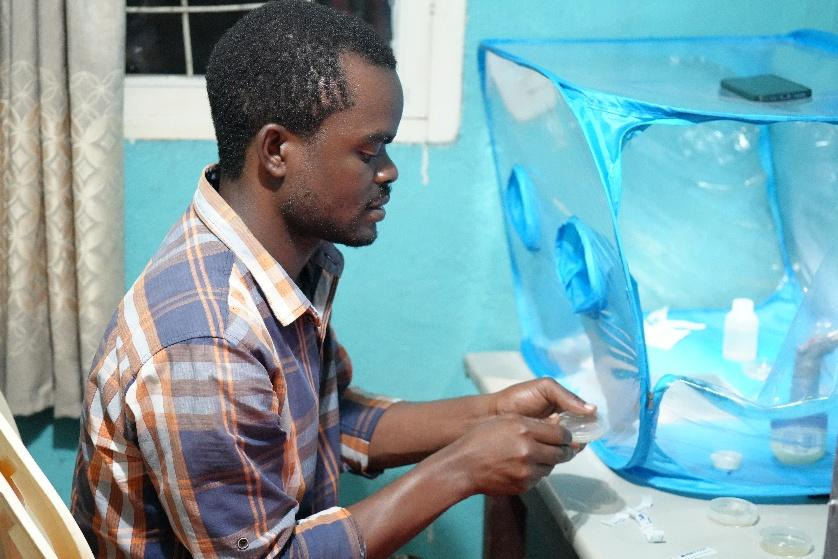 The activities conducted in the framework of this project are : 1) surveying the dietary habits and inventorying the wild fungi consumed through ethnomycological surveys; 2) isolating and preserving wild local strains with potential for cultivation; 3) testing their cultivation potential on substrates from agricultural waste; 4) enhancing technical skills in mushroom cultivation through capacity-building and follow-up of production; 5) supplying top-quality spawn to mushroom growers; 6) analysing the conditions required to establish a pilot Myco-hub; 7) supporting the promotion and marketing of fresh and processed mushrooms and their by-products.
Duration: 2026-2028